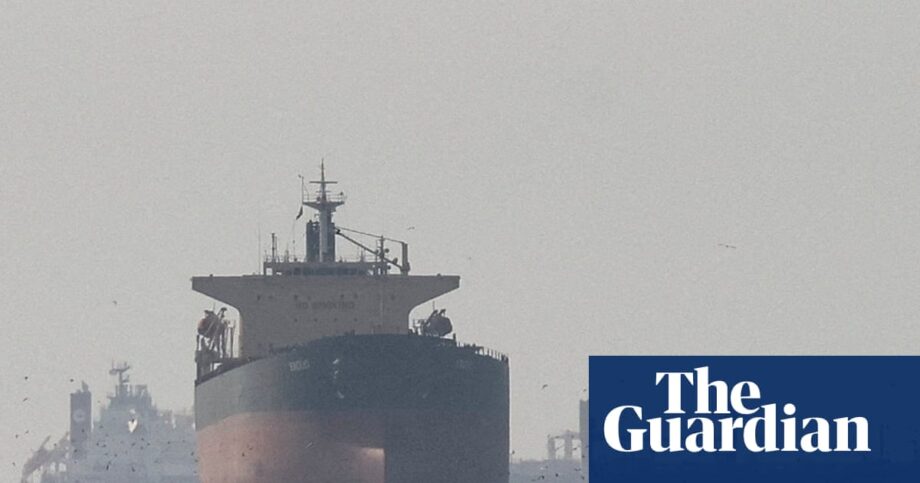
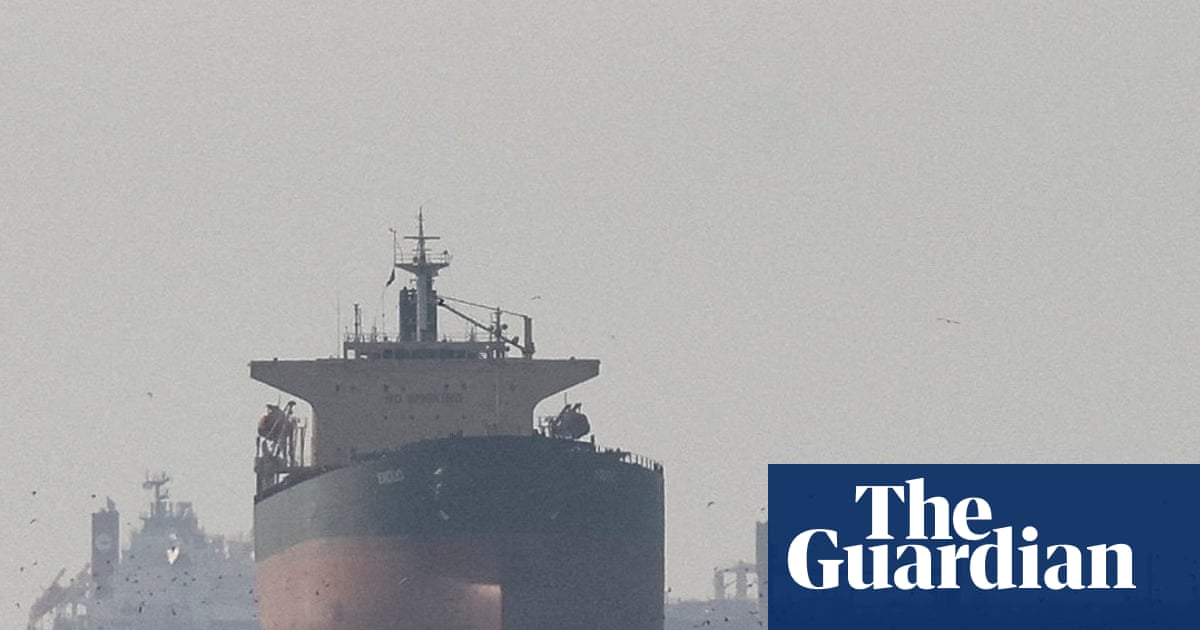
Attacks on Kharg Island, Iran’s primary oil processing hub, by the US military are escalating tensions and threatening to keep oil prices elevated. The island, a critical chokepoint for Iranian crude exports, is now a focal point in the ongoing conflict, raising concerns about future market volatility.
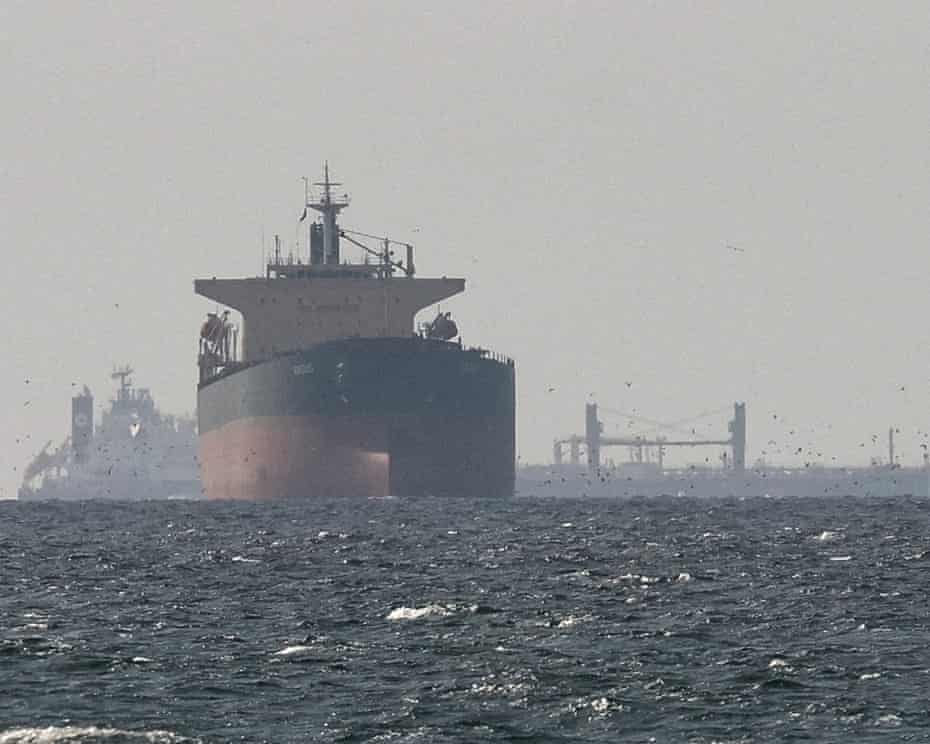
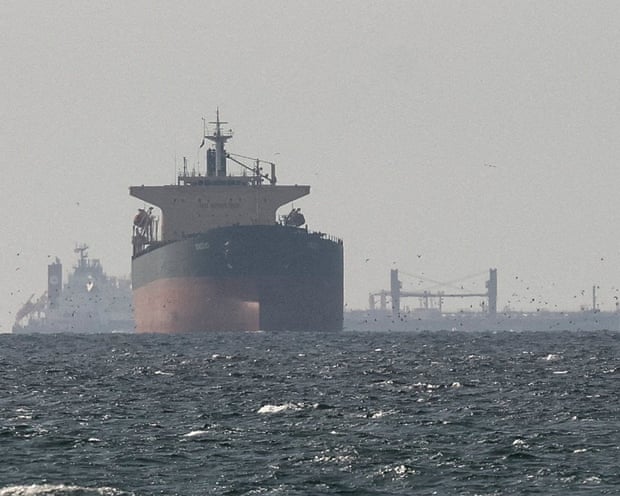
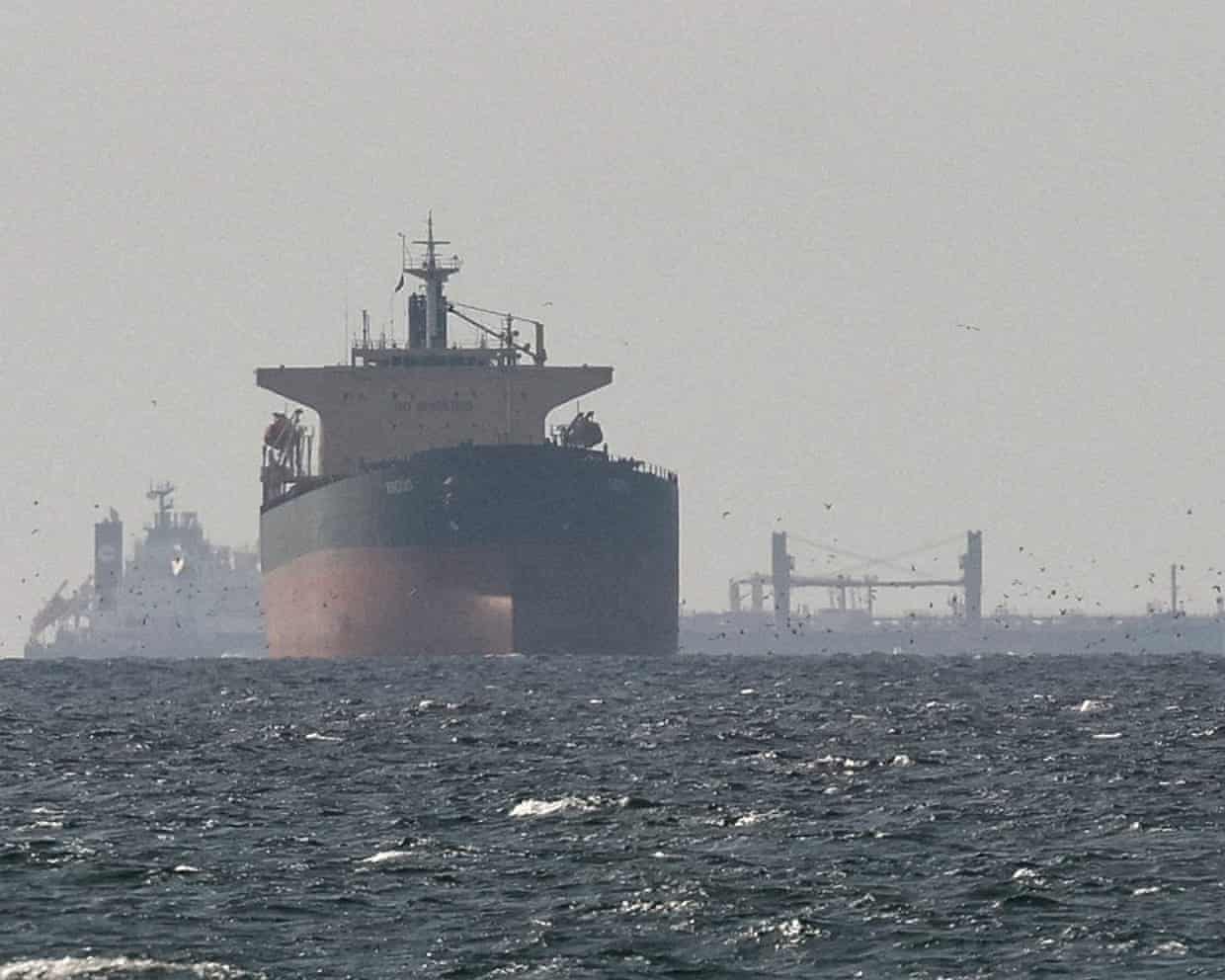
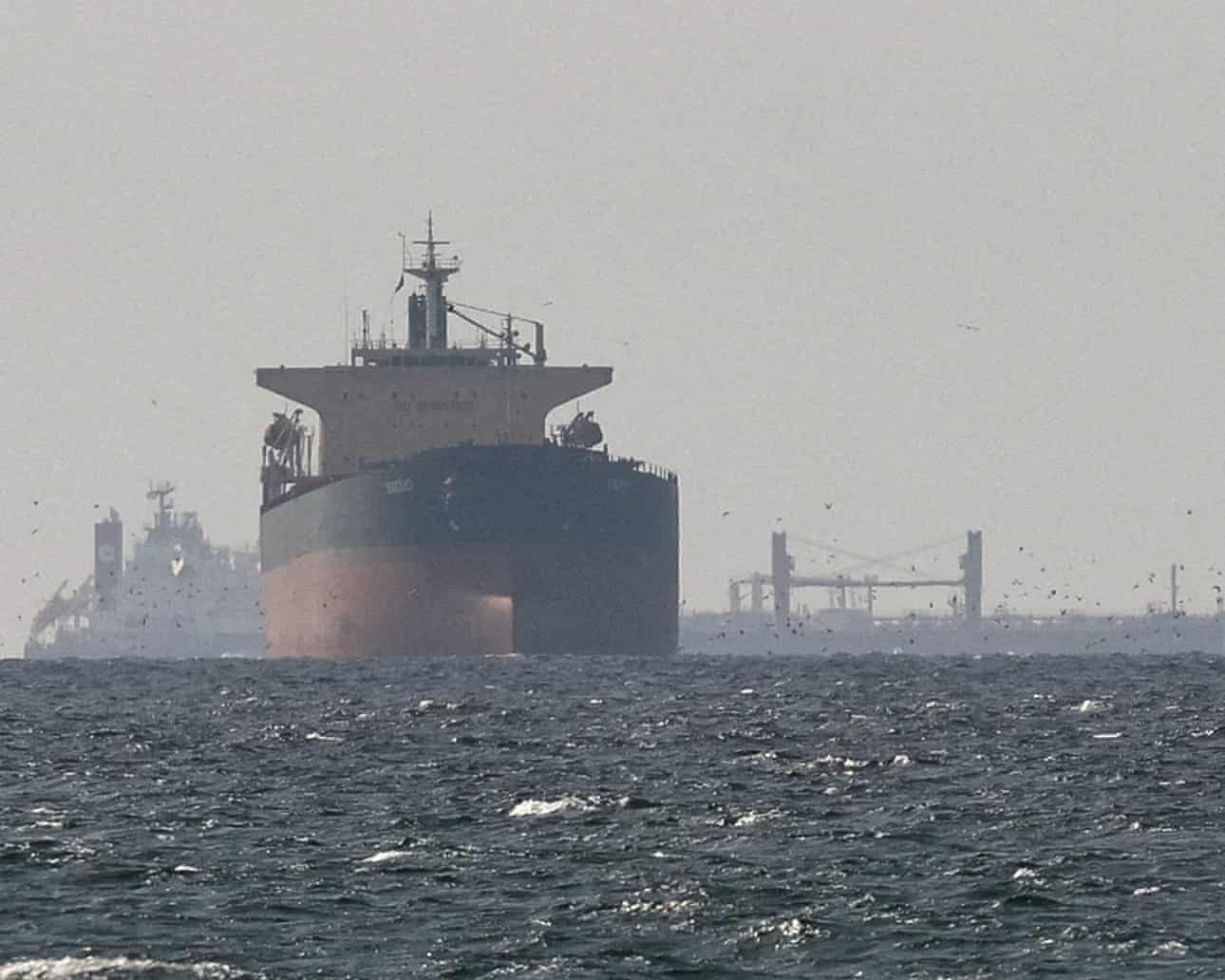
The US president ordered strikes on the strategic economic asset two weeks after US-Israeli actions initiated the war and led to the closure of the Strait of Hormuz. While the bombardment targeted military assets, the potential for damage to oil facilities looms, with warnings of further action if Iran does not reopen the strait.
Any disruption to Kharg Island’s infrastructure could force Iran to reduce production, potentially removing an additional 1 million barrels from global markets already impacted by supply cuts from neighboring Gulf nations.
Gulf Oilfields Forced to Shut
The conflict has effectively blocked Gulf states from exporting a significant portion of the world’s oil supply through the Strait of Hormuz. Iran’s actions against tankers in this vital trade route have already removed an estimated 15 million barrels from the global market.
Beyond the immediate threat to shipping, a more insidious risk is emerging: major oil producers may be compelled to shut down their fields entirely, sustaining high prices for consumers and businesses. Analysts warn that oil prices could surpass the record $147.50 per barrel seen in 2008.
Oil producers are rerouting crude to pipelines and storage, but with these facilities nearing capacity, the inevitable next step is to halt production. The threat to Middle Eastern oilfields is now considered the primary driver of rising market prices.
The price of Brent crude, an international benchmark, saw a slight retreat from highs of $119 a barrel this week following a planned release of 400 million barrels from strategic reserves by International Energy Agency (IEA) member states. However, prices have begun to climb back above $100 a barrel as oilfields in Saudi Arabia, Iraq, and Kuwait have been forced to shut down.
These “shut-ins,” combined with damage to critical energy infrastructure, are projected to cut production by 10 million barrels per day, according to the IEA.
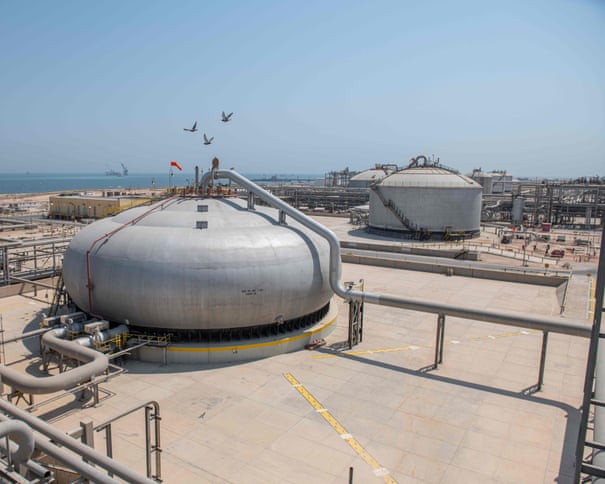
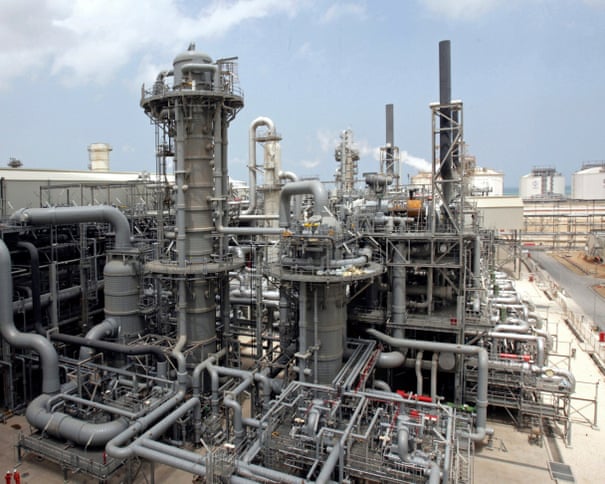
The conflict has also disrupted global gas supplies. Qatar, a major provider of seaborne gas cargoes, was forced to halt its liquefied natural gas (LNG) production due to Iranian attacks on its facilities. Consequently, European gas prices surged approximately 80% last week, reaching over €56 per megawatt hour.
The Qatari energy minister indicated that restoring normal deliveries could take “weeks to months,” even if the conflict ends immediately, warning that the crisis could severely impact global economies.
‘Months’ to Fully Restore Output
With limited storage capacity and no resolution in sight for the Hormuz crisis, the Middle East’s oil-producing nations may face prolonged shutdowns. Ajay Parmar, a director at energy market specialists ICIS, notes that these shut-ins are the main factor prolonging high oil prices.
The impact is twofold: it exacerbates market fears over the ongoing supply crisis and increases the likelihood of throttled production even if the strait reopens. Restarting a shuttered oilfield is a complex and time-consuming process, potentially taking weeks or months to reach full capacity, with a risk of permanent output reduction.
Jim Burkhard, global head of crude oil research for S&P Global Energy, stated that restarting fields of this magnitude is a significant technical undertaking, with restoration timelines dependent on reservoir conditions and the duration of the shutdown.
Saudi Arabia’s state-owned oil company, Aramco, has assured the market it can maintain 70% of its usual output by rerouting crude via pipeline to the Red Sea port of Yanbu. Exports through this route have doubled, and Aramco anticipates further increases.
Approximately 25 oil tankers are en route to the Red Sea port to facilitate the shipment of Saudi crude, according to Aditya Saraswat of Rystad Energy. Similarly, tankers are positioned near Fujairah to load crude piped around the Strait of Hormuz from the United Arab Emirates’ oilfields.
However, Parmar points out that pipeline rerouting has limitations. The UAE will have 1 million barrels of crude per day that cannot be exported via pipeline, with less than 20 days of storage available. Aramco faces a similar challenge, with 2 million barrels per day unable to leave Saudi Arabia without shutting down key fields, and only about seven days of storage.
Iraq, Kuwait, and Iran lack pipeline capacity to bypass the strait entirely. Oil production from Iraq’s southern fields has fallen significantly, with limited storage remaining. Kuwait has also made unspecified production cuts and has less than 11 days of storage.
Questions remain about the long-term output of Saudi Arabia’s aging Safaniya field, which began production in 1957. However, Parmar suggests that the company’s extensive capabilities may allow it to return the field to previous capacity levels over time.
Fonte: The Guardian