

Members of the House of Lords are set to review proposed amendments to legislation that would decriminalize abortion in England and Wales. This follows a significant vote by MPs last year to end the criminalization of women who terminate pregnancies outside the legal framework, a move hailed as the most substantial advancement for reproductive rights in six decades.
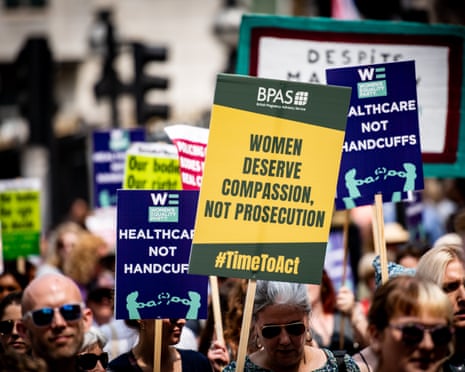
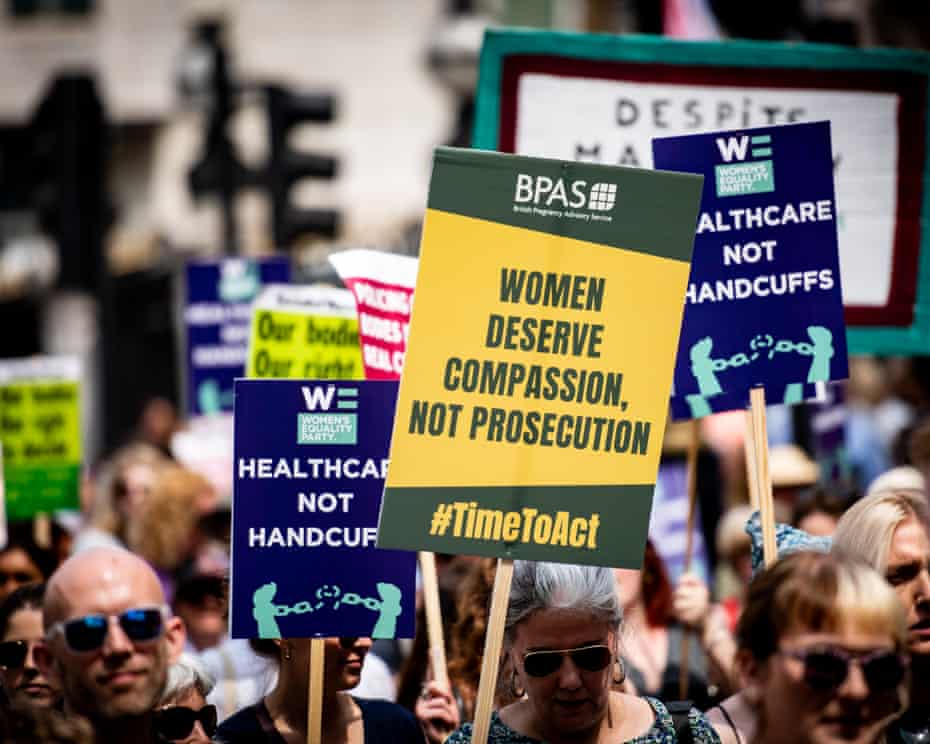
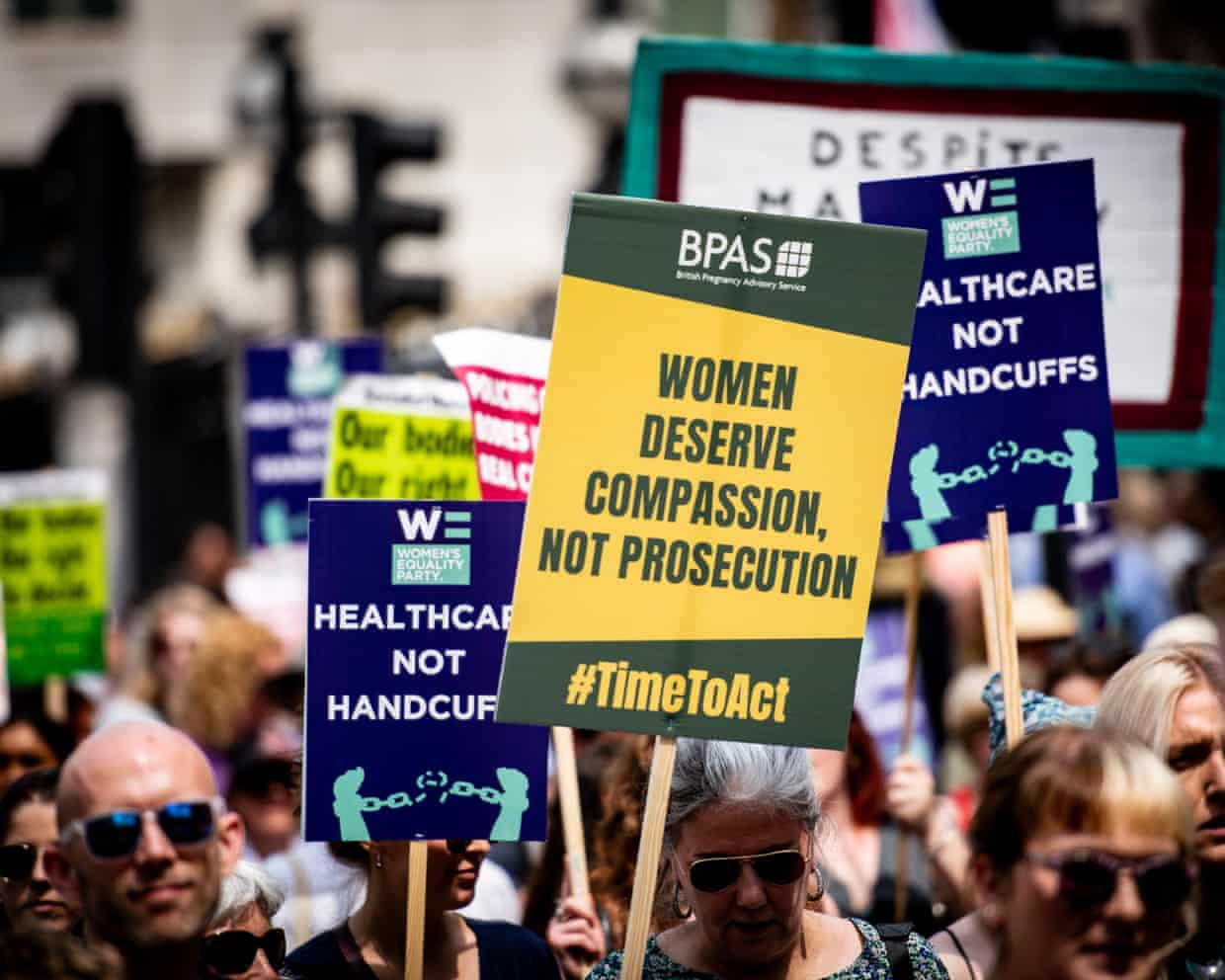
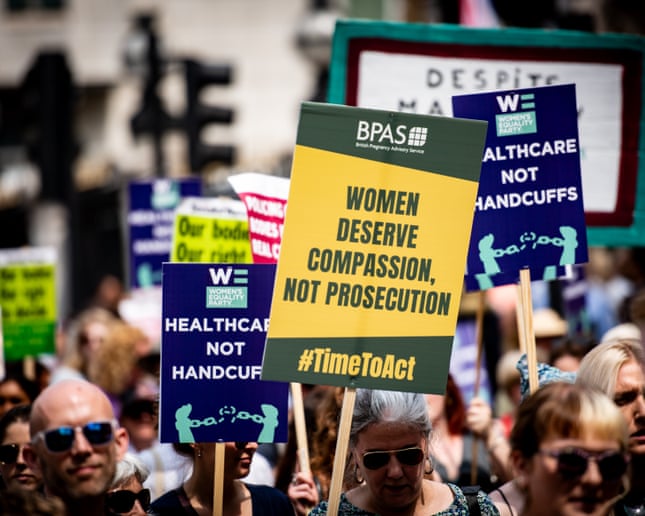
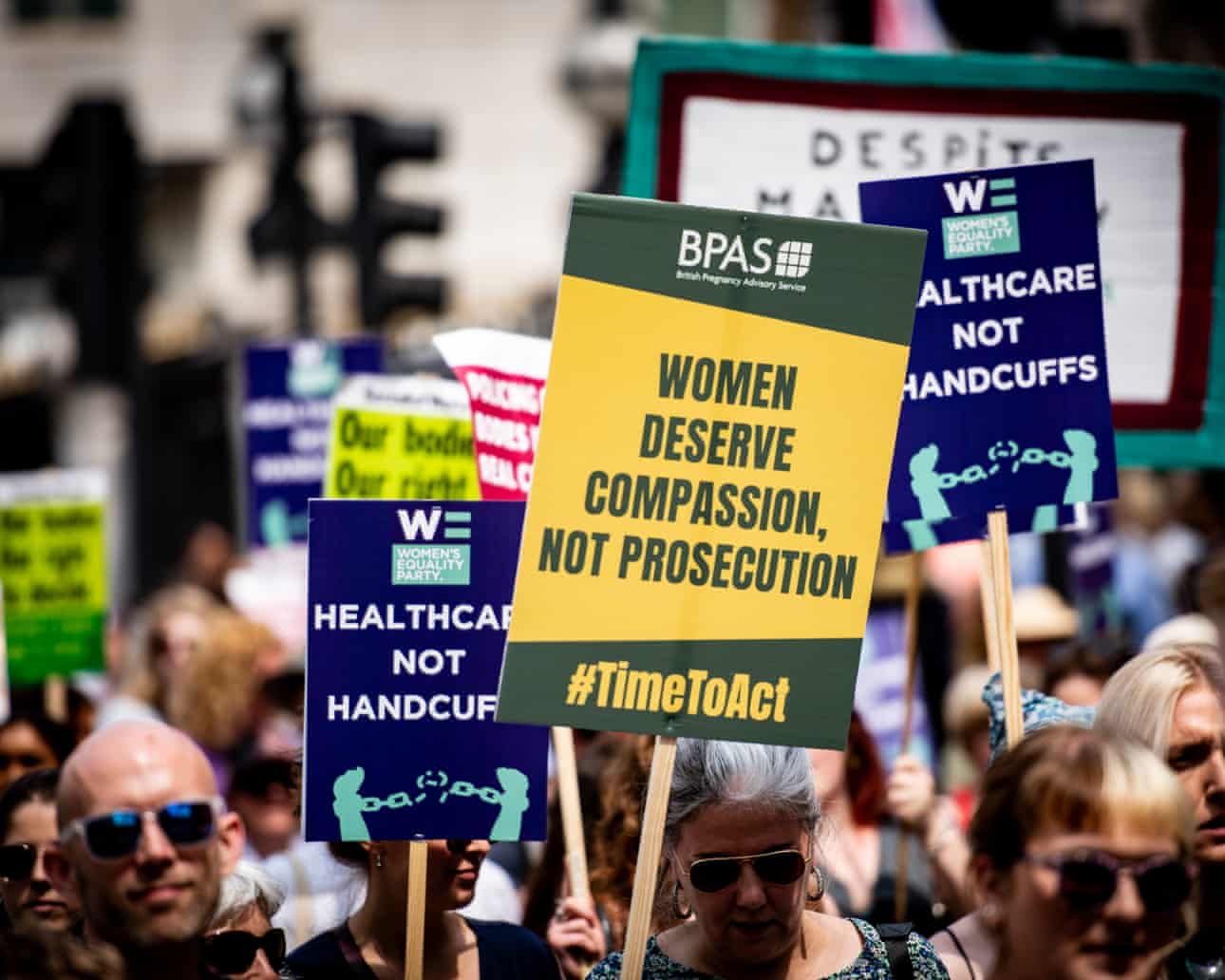
The current legal framework, which requires signatures from two doctors and has time limits for terminations, will remain in place. Doctors who operate outside these legal boundaries still face prosecution. However, the new legislation aims to prevent women from being prosecuted for ending pregnancies outside this framework.
What Happened in the House of Commons?
In June, MPs overwhelmingly supported an amendment to the crime and policing bill, proposed by Labour backbencher Tonia Antoniazzi, to decriminalize abortion. The vote saw 379 in favor and 137 against. This amendment, now a clause in the bill, ensures women will not face prosecution for ending pregnancies outside the established legal parameters.
Police Discretion in Arrests
Harriet Wistrich, solicitor and chief executive of the Centre for Women’s Justice, noted that police retain discretion over arrests. Even in cases warranting investigation, authorities can opt for voluntary interviews instead of immediate arrests.
House of Lords Amendment Process
Amendments can be submitted in the House of Lords up until the day before they are debated. The peer who submits an amendment has the option to call for a division, initiating a vote. Multiple votes on abortion-related proposals are anticipated for Wednesday.
Key Amendments Proposed
Nine amendments have been filed concerning abortion. These include proposals for police investigations into every girl under 16 accessing a legal abortion and the introduction of a new abortion offense, the first in nearly a century. Among these, four are considered key: two broadly pro-choice and two broadly anti-abortion proposals.
The ‘Strikethrough’ Amendment
One amendment, put forward by Conservative peer Rosa Monckton, is termed a “strikethrough” amendment. Its objective is to remove the decriminalization clause entirely from the bill.
Telemedicine Access Under Review
An emergency measure, initially passed during the pandemic and later made permanent in 2022, allows women remote consultations for pregnancies up to nine weeks and six days. However, an amendment by Conservative peer Philippa Stroud seeks to eliminate telemedicine, reverting to mandatory in-person consultations for all cases. A similar proposal was rejected by the Commons in June.
Pardon for Past Offenses
Abortion offenses are classified as violent crimes, leading to permanent disclosure on DBS checks. Glenys Thornton, a Labour peer and former health minister, has proposed an amendment that would grant pardons to women with convictions or cautions for abortion offenses. This amendment also aims to remove affected women’s details from police systems.
‘Cease and Desist’ Amendment
Women currently under police investigation may still face prosecution, even if the law changes before their cases reach court. An amendment by Liberal Democrat peer Liz Barker seeks to extend the legislation retroactively. It would apply to alleged offenses committed before the law change, ensuring that current investigations and prosecutions under the old abortion law are discontinued.
Bill Enactment Timeline
The crime and policing bill is expected to complete its parliamentary passage in the upcoming weeks. If Parliament upholds the decriminalization of abortion, the law will take effect upon receiving royal assent.
Fonte: The Guardian