Energy Secretary Chris Wright stated Sunday that the conflict with Iran is expected to conclude within the coming weeks, potentially sooner, amidst ongoing concerns over elevated gas prices. Wright indicated that a reduction in fuel costs could follow the war’s resolution, though he cautioned that such an outcome is not guaranteed.






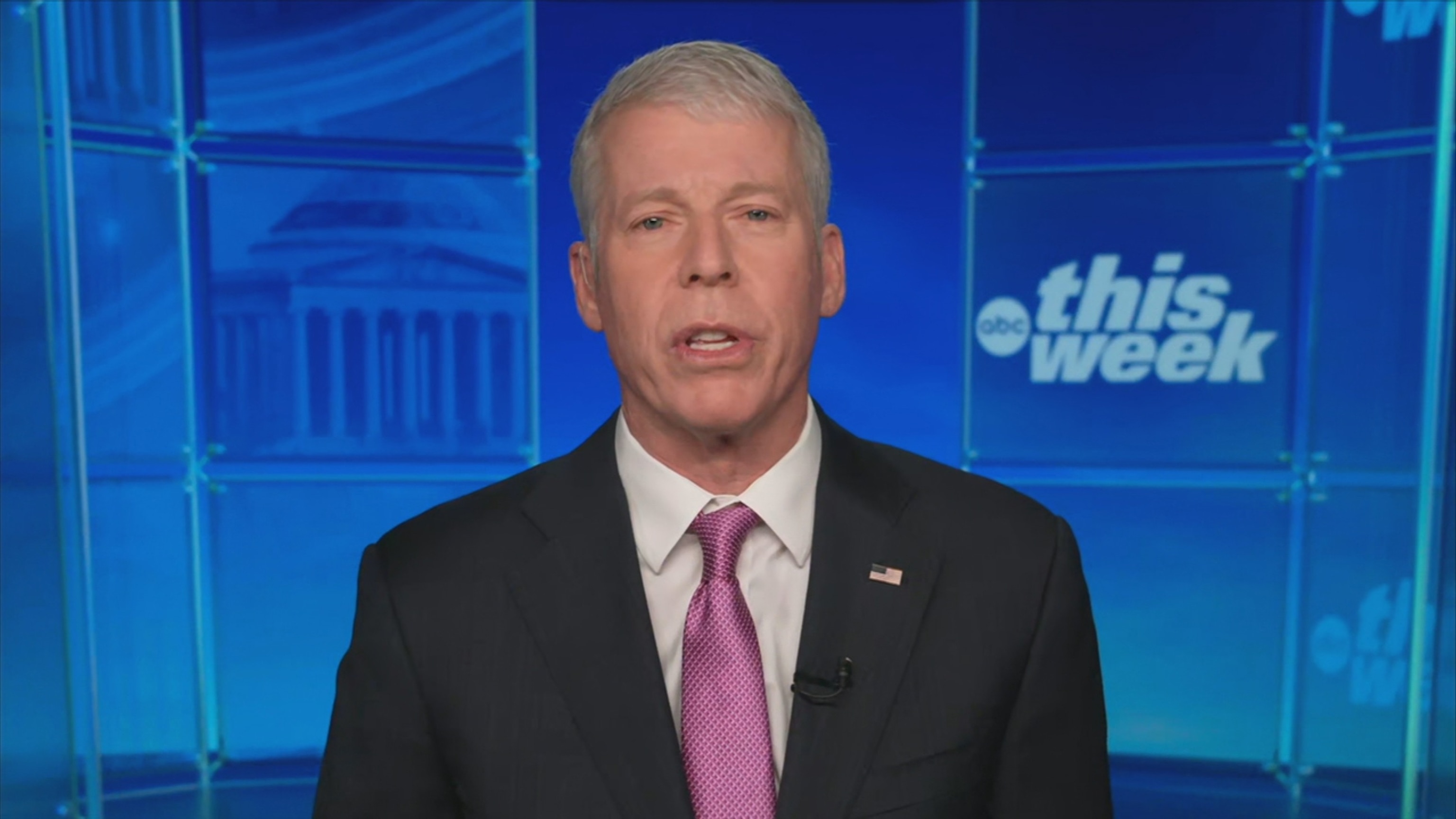
“I think that this conflict will certainly come to an end in the next few weeks,” Wright told ABC News’ “This Week” co-anchor Martha Raddatz. “Could be sooner than that, but the conflict will come to the end in the next few weeks.”
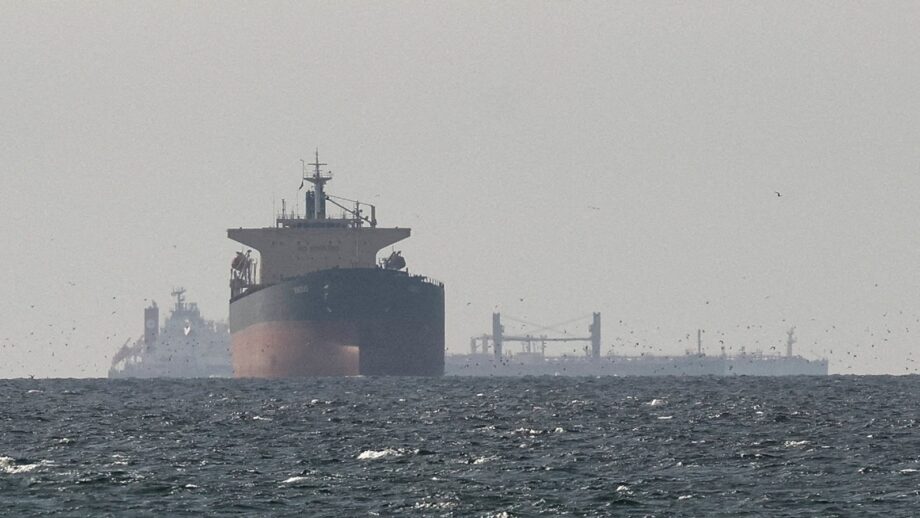
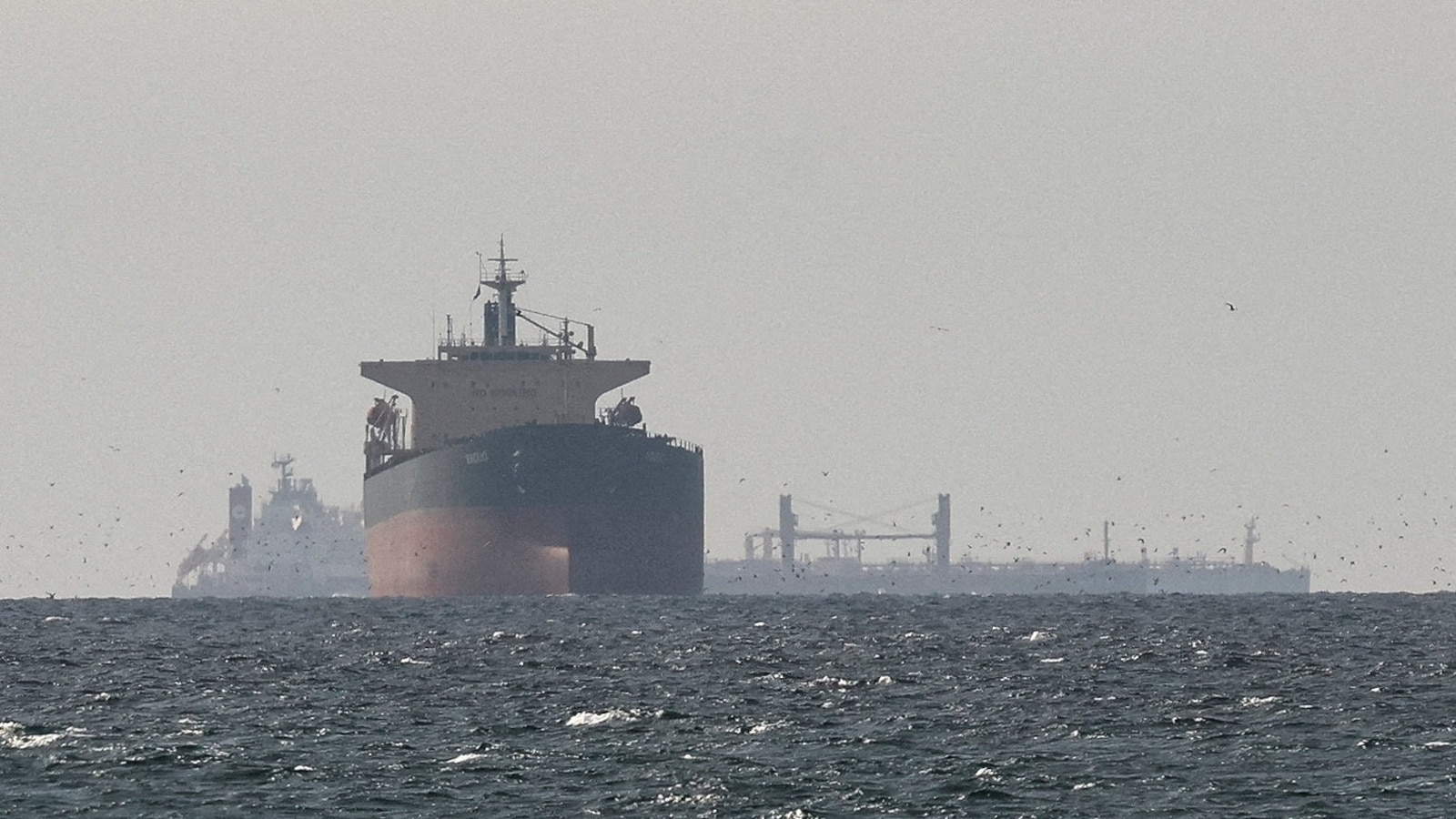
Wright’s remarks coincide with a period of high gas prices for American consumers, largely attributed to the war. A significant factor influencing this situation is Iran’s control over the Strait of Hormuz, a vital maritime route through which approximately 20% of the global oil supply transits. Iran’s actions have led to the closure of this strait, causing crude oil prices to surge and consequently driving up Gasoline Prices domestically.
As of Sunday, the average price of gas had increased by 76 cents per gallon since the conflict began, according to GasBuddy. Wright suggested that consumers might see prices decrease in the near future but emphasized the inherent uncertainties of wartime.
“There’s no guarantees in wars at all,” Wright stated. “This is short-term pain to get through to a much better place.”
Despite the current price increases, Wright noted that gasoline prices remain lower than the record highs seen in 2022. He posited that the current geopolitical situation, driven by U.S. military actions against Iran, could lead to lasting policy changes.
“We had $5 gasoline in the middle of the Biden administration,” Wright recalled. “We hope we don’t get there this time, but at least this increase in gasoline prices is for something that’s going to change the geopolitical situation in the world forever.”
Earlier, Wright had indicated to CNBC that the U.S. Navy might escort oil tankers through the Strait of Hormuz by the end of the month, though such operations were not yet ready. President Donald Trump later posted on social media that other nations would contribute warships to help reopen the strait, though details on participating countries and their agreements remain unclear.
When questioned about specific countries involved in the naval effort, Wright highlighted the broad international reliance on oil from the strait, particularly for Asian nations. “All nations of the world depend on products that come from the Straits of Hormuz. China top on that list. Japan, Korea, all the Asian nations is where the energy — energy that comes out of the Straits of Hormuz flows to,” Wright explained. “So, of course, it’s quite logical to have a broad coalition of the nations of the world work to reopen the straits.”
Did the Trump administration plan for the strait’s closure?
Democrats have raised concerns that the Trump administration did not adequately prepare for the potential closure of the Strait of Hormuz and its impact on oil markets and supply chains. Senate Minority Leader Chuck Schumer, D-N.Y., questioned the administration’s foresight on the matter.
Wright refuted Schumer’s assertions, suggesting the Democrat was either “ridiculously naive or … simply being disingenuous.” He maintained that the Trump administration was fully aware of potential disruptions to global oil trade stemming from the conflict.
“Of course, meticulous planning went into what might happen with the Strait of Hormuz, how to deal with — deal with that. Our chairman of the Joint Chiefs of Staff, Gen. Caine, is known for many things, but high on that list is an absolute meticulous planner of all of the scenarios that might unfold,” Wright stated, referring to the administration’s detailed preparations for various contingencies.
He further elaborated that the administration anticipated a “temporary interruption” in the waterway. “We were very aware, very aware that we would have short-term disruption … [that] would cause a little bit of increased prices on Americans,” the secretary said.
Wright characterized the Trump administration’s strategy for the strait as “meticulous.”
Homeland security concerns
The ongoing war has also raised concerns about potential threats to the U.S. homeland. Recent incidents, including an attack on a synagogue in Michigan and attempted attacks in New York, have occurred since the war began, although direct links to the conflict remain unconfirmed.
Rep. Adam Smith, the top Democrat on the House Armed Services Committee, acknowledged that such threats are not new but stressed the need for preparedness. “So, this isn’t a new phenomenon. Without question, this has been ramped up because of the war in the Middle East that has brought in, gosh, some 14 countries have been attacked in one way or another. This war and this conflict is without question spreading right now.”
Smith expressed skepticism regarding the feasibility of regime change in Iran and the overall cost-benefit analysis of the war. “We can’t just fly in, snatch the president and make things change. It is a country of 90 million people, that has a dug-in, well-armed regime that has, you know, proxies in a bunch of different places,” Smith said. “The cost of this war outweighs the benefits.”
Smith and other Democrats have faced criticism for blocking funding for the Department of Homeland Security (DHS) amid heightened threats, citing concerns over immigration enforcement by Immigration and Customs Enforcement (ICE). Most of DHS funding is currently stalled, while ICE continues to receive funds through a separate bill.
However, Smith clarified that Democrats are prepared to fund other DHS components while withholding support for ICE until reforms are implemented. “Democrats have said we will fund everything but ICE,” Smith stated. “So, whether you’re talking [Transportation Security Administration], [Federal Emergency Management Agency], the Coast Guard, we’re fully prepared to fund all of that. We want reform to ICE.”
Fonte: ABC News