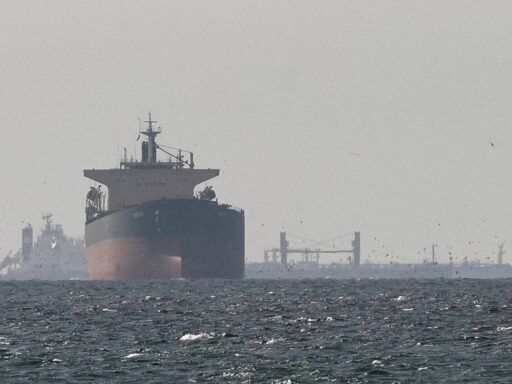
The United Kingdom is considering all available options, including collaboration with the United States and its allies, to ensure the security of vital oil shipping routes through the Strait of Hormuz, according to Ed Miliband.
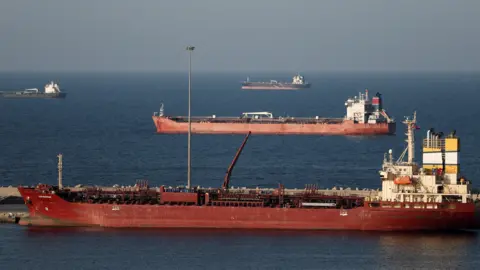
This statement follows President Donald Trump‘s recent threat to open the strait and his call for countries like the UK, China, and France to deploy warships to the region. The UK’s energy secretary emphasized the critical importance of securing the strait for global shipping but declined to provide specific details on the government’s plans.
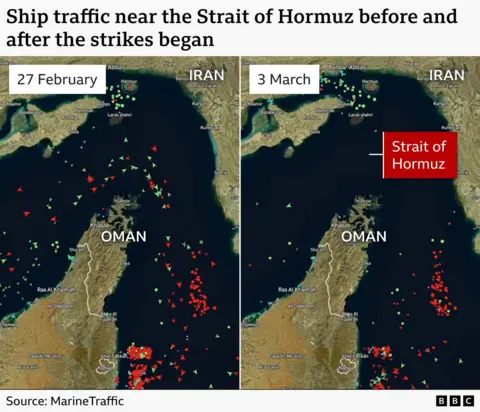
Iran’s actions to block the strait, a crucial global shipping artery, have significantly impacted international supply chains and energy prices. Mojtaba Khamenei, Iran’s new Supreme Leader, has reportedly stated that Iran will continue blocking the strait as a form of political and economic leverage against the U.S.
With the conflict between the U.S. and Iran now in its third week, several ships have reportedly been attacked while attempting to transit the narrow strait, through which approximately 20% of the world’s oil typically flows. Concerns also exist that Iran may have deployed mines in the passage to impede maritime traffic.
Speaking on the BBC’s Sunday with Laura Kuenssberg program, Miliband highlighted the reopening of the strait as a “priority” and mentioned potential contributions such as the deployment of mine-hunting drones. He assured that any options to help reopen the strait would be examined in conjunction with allies.
Miliband also suggested that resolving the conflict is the most effective way to ensure the strait’s passage is restored. Meanwhile, shadow energy secretary Claire Coutinho stated that the UK should consider deploying ships or drones to the Middle East if it serves the national interest. She argued that reopening international shipping lanes and protecting overseas military assets are in the UK’s best interest.
Sir Ed Davey, leader of the Liberal Democrats, advised against sending ships, advocating instead for de-escalation of the conflict. He criticized Trump’s approach as “reckless” and urged Britain not to be subservient to an American president he believes is acting without clear direction.
In 2025, an estimated 20 million barrels of oil transited the Strait of Hormuz daily, representing nearly $600 billion in annual energy trade, according to the U.S. Energy Information Administration. The route is also essential for other commodities like helium, sulphate, and urea, a key component in fertilizer production.
Iran’s Foreign Minister Abbas Araghchi indicated that the strait remains accessible to vessels not affiliated with Iran’s “enemies” and expressed openness to discussions regarding safe passage. He claimed that several nations have approached Iran, though he did not name them.
Tehran has warned that any tanker destined for the U.S., Israel, or their partners is considered a legitimate target, integrating attacks on energy infrastructure into its response to strikes from the U.S. and Israel. The UK Maritime Trade Operations reported that at least 16 vessels, including tankers, have been attacked near the shipping lane since the conflict began.
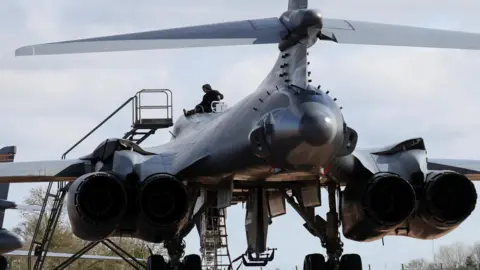
Oil prices have seen a significant increase since the conflict’s start on February 28, rising from approximately $71 per barrel to a high of nearly $120 before settling at an elevated level. The U.S. military has deployed B-1 Lancer bombers from RAF Fairford, potentially armed with advanced weaponry, for missions expected to take around 15 hours to reach Iran.
Prime Minister Sir Keir Starmer initially hesitated but eventually permitted “defensive” U.S. actions against Iranian missile sites from UK bases. This decision came amidst criticism from Trump, who questioned Starmer’s approach to the war.
Our Analysis
The escalating tensions surrounding the Strait of Hormuz underscore the delicate balance of global energy security and geopolitical stability. The UK’s consideration of various options reflects the significant economic and strategic implications of disrupted oil flows. While diplomatic solutions and de-escalation are paramount, the potential for military responses highlights the complex challenges in maintaining freedom of navigation in critical international waterways.
This content is for informational purposes only and does not constitute financial advice.
Fonte: BBC News