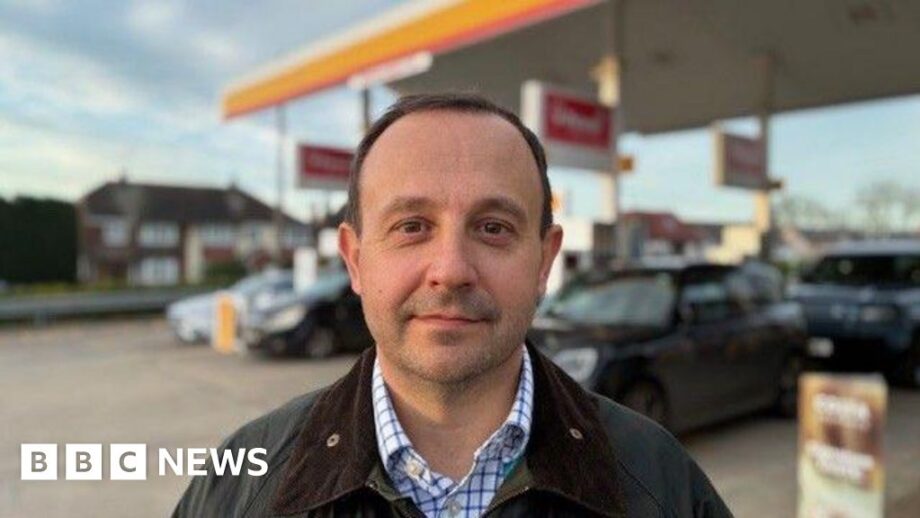
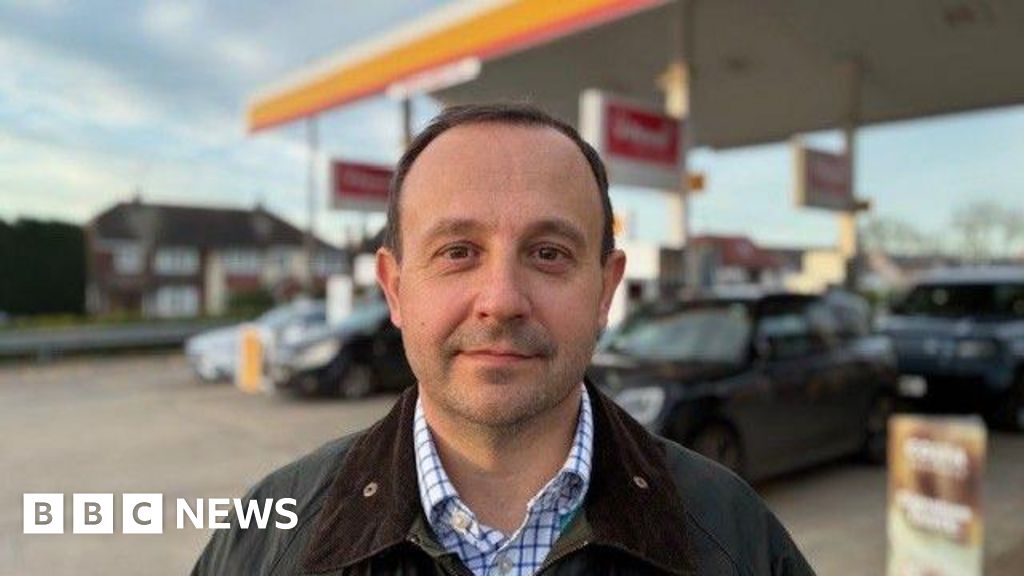
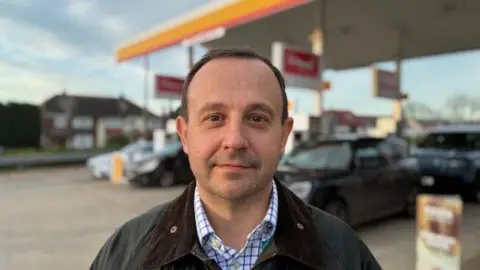
Small business owners like Goran Raven are experiencing significant challenges as oil prices surge due to the conflict in the Middle East. Raven, whose family has operated a petrol station in Romford for four generations, describes the current period as one of the most difficult they have faced. The price of petrol has reached an 18-month high, with diesel seeing its largest increase in over two years, according to the RAC. This volatility, coupled with rising costs, has led to increased hostility from customers towards Raven and his staff.
Rising Fuel Costs Impact Small Businesses
Raven explains that smaller, independent petrol stations are particularly vulnerable to price fluctuations. Unlike larger retailers and supermarkets that buy fuel in advance and in larger volumes, many smaller businesses pay daily spot prices. This means they are subject to the live market rate on the day of purchase, leaving them exposed to sudden price hikes. “When the tanker turns up, we’re paying the price the market is demanding that day, not a price that was set a couple of weeks ago,” Raven stated.
The limited storage capacity at his station, holding just over a day’s worth of fuel, further exacerbates the issue. “The tanker comes in, delivers to us in the morning, and at 08:00 that day, we receive the new price,” he said. This can result in substantial, unexpected cost increases, with a single tanker load potentially costing £2,000 more than the previous day. Absorbing such significant price rises is extremely difficult for a small family-run business.
Customer Abuse and Fuel Theft on the Rise
Beyond the financial strain, Raven and his team are enduring verbal abuse from customers. Despite efforts to maintain transparency through direct conversations and social media updates, some customers react with hostility. “We’re trying to get the message out on what’s happening but unfortunately some people are coming in and being vile to my team,” Raven expressed. He understands the frustration but emphasizes that directing anger towards his staff is unfair. The situation has also seen an increase in fuel theft.
Industry Response and Regulatory Scrutiny
The Petrol Retailers Association (PRA), representing fuel operators, has criticized the government’s rhetoric, suggesting it could incite negative customer behavior. Energy Secretary Ed Miliband has indicated that authorities are monitoring for price gouging and will intervene if consumers are being “ripped off.” The PRA, however, refutes claims of profiteering, noting that some members might even incur losses on diesel due to its sharp price increase. The Competition and Markets Authority (CMA) is expected to monitor prices closely and may report findings in April, having previously identified transparency and competition issues in the sector.
Profit Margins and Future Outlook
Raven insists that his business is not profiteering, stating they operate on a 4% profit margin, which he considers modest. He hopes for a swift resolution to the conflict in the Middle East, which would allow for a reduction in fuel prices. “The second we get our savings, we’ll pass it onto our customers,” he pledged. A new fuel finder app, now covering over 90% of fuel retailers, aims to enhance market competitiveness by making prices more accessible to motorists.
This content is for informational purposes only and does not constitute financial advice.
Fonte: BBC News