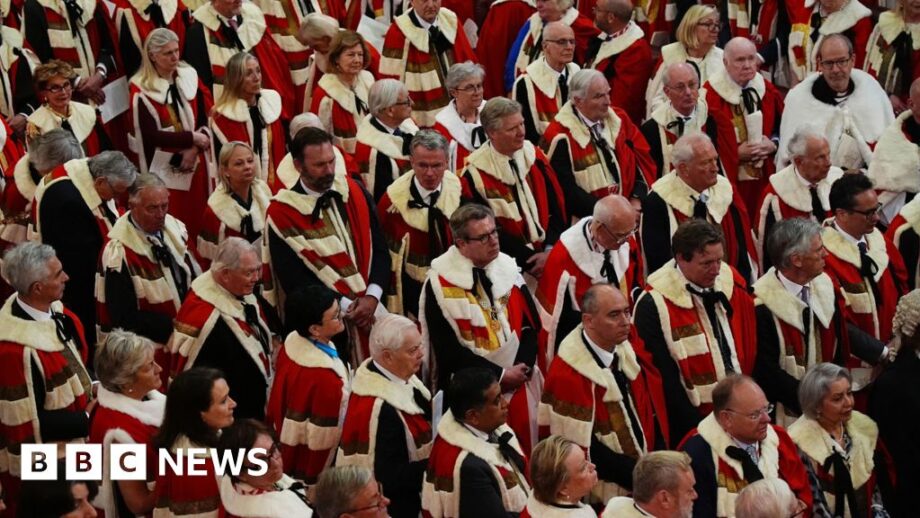
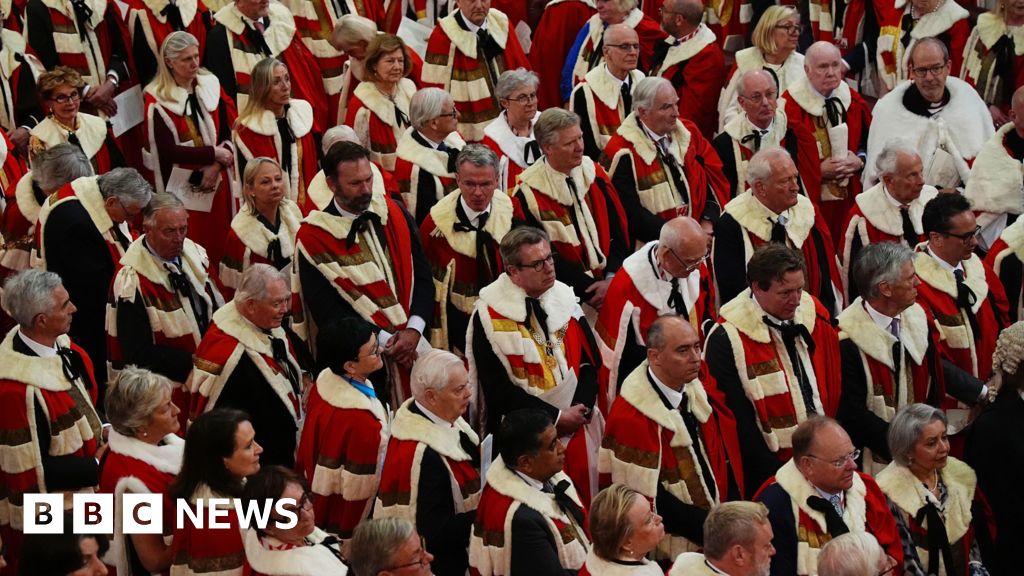
The long-standing right of hereditary peers to sit in the House of Lords is nearing its end with a new law set to pass this week, eliminating the 92 remaining hereditary seats. However, a compromise deal offers a select group a chance to retain their positions as life peers, a move one outgoing peer described as a “hereditary lifeboat.” This arrangement allows a limited number of Conservative hereditary members to continue serving in Parliament until their retirement.
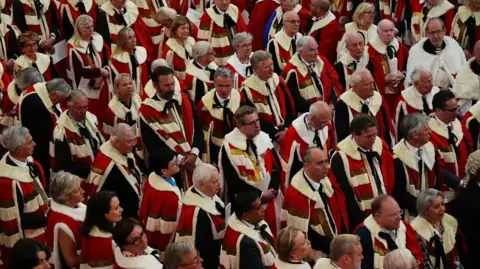
Under the agreement, the Conservative Party has been offered 15 hereditary seats that can be converted into life peerages. This concession was made in exchange for the Conservatives agreeing to retire some of their existing life peers. A few cross-bench hereditary peers, who are not affiliated with any political party, are also expected to be retained.
Accepting the End of an Era
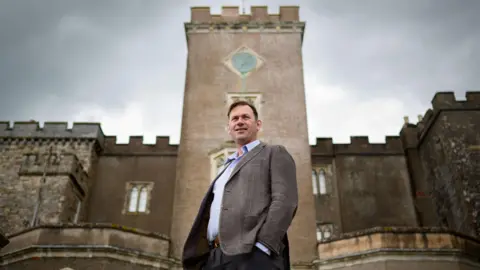
For some, like Charles Courtenay, the Earl of Devon, the prospect of remaining in the Lords is not one they wish to pursue. The Earl, whose title dates back to 1142, stated that using hereditary privilege to negotiate for life peerages is inappropriate. He has accepted the impending changes, acknowledging that if the public deems the hereditary principle outdated, it should not be used to retain seats.
The Earl of Devon, who entered the upper chamber in 2018, has historically defended the hereditary peerage system. Despite his acceptance of the current political climate, he and other outgoing hereditary peers will retain their titles. “There’s nothing to be gained by fighting progress. We just have to crack on and move along,” he remarked, drawing parallels to his ancestors’ resilience through historical upheavals.
The “Hereditary Lifeboat”
Lord Bethell, a former Conservative health minister, has also announced his departure from the upper house, stating he will not seek a place in the “Hereditary Lifeboat.” He expressed enthusiasm for pursuing new opportunities outside of parliamentarian life.
Despite such departures, the Conservative Party anticipates little difficulty filling the remaining hereditary spots. Sources suggest that Conservative hereditary members currently serving in shadow ministerial roles are the most likely candidates for nomination as life peers. These include Viscount Camrose, Viscount Younger of Leckie, the Earl of Minto, Earl Howe, the Earl of Courtown, and the Earl of Effingham.
Lord Salisbury, a former Tory leader in the Lords, expressed understanding for the upset among peers facing departure, especially those with long service records. He welcomed the deal that will grant life peerages to a number of hereditary peers, citing Lords Howe and Strathclyde as individuals who could continue to make significant contributions.
Parliamentary Scrutiny and Reform
The idea of aristocrats retaining seats in Parliament based on birthright is contentious among many Members of Parliament and the public. The Labour Party’s 2024 election manifesto included a pledge to remove the right of all remaining hereditary peers to sit and vote in the House of Lords.
Dr. Jess Garland, director of policy and research for the Electoral Reform Society, criticized the move to allow some hereditary peers to return via the “back door.” She argued that in a modern democracy, legislative power should not be determined by parentage. Garland expressed disappointment that unelected peers could influence an elected government to dilute a clear manifesto commitment.
Historically, the House of Lords has seen its unelected hereditary members adapt to significant constitutional changes. They survived the abolition of the Lords during the 17th-century revolution and the reforms under former Prime Minister Tony Blair, who removed over 600 hereditary peers in 1999, saving 92 through a compromise.
The current compromise allows some hereditary peers to potentially extend their parliamentary service, delaying their eventual departure from the House of Lords.


Fonte: BBC News