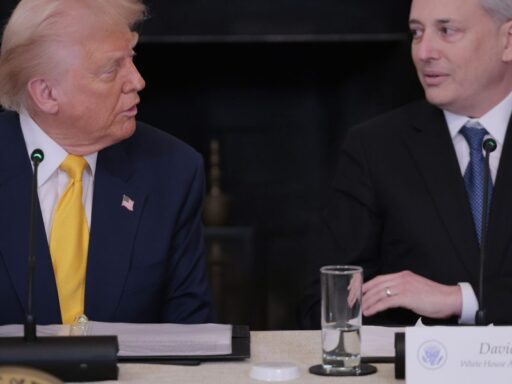
Donald Trump, U.S. President, intensified calls to reopen the vital Strait of Hormuz, stating that warships will be dispatched to the area near Iran’s coast to ensure the safe passage of commercial vessels. These comments, made on Truth Social without a specific timeline, followed a U.S. strike on military sites on Kharg Island, a key export point for Iranian oil.
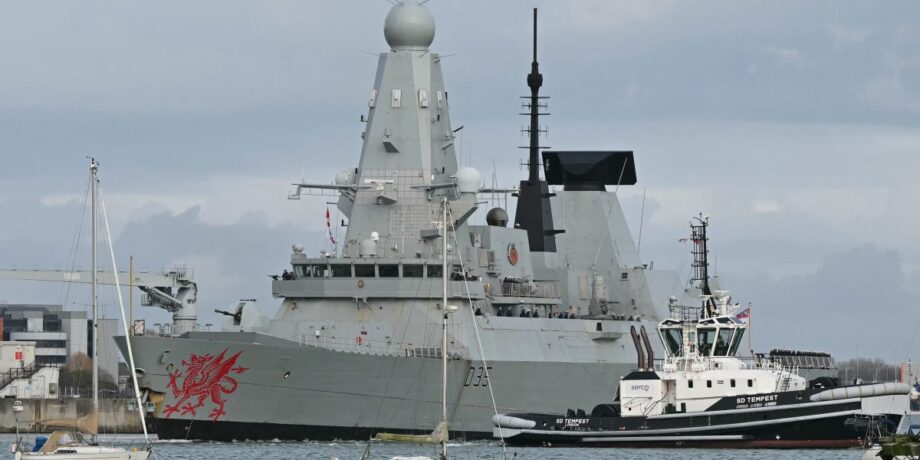
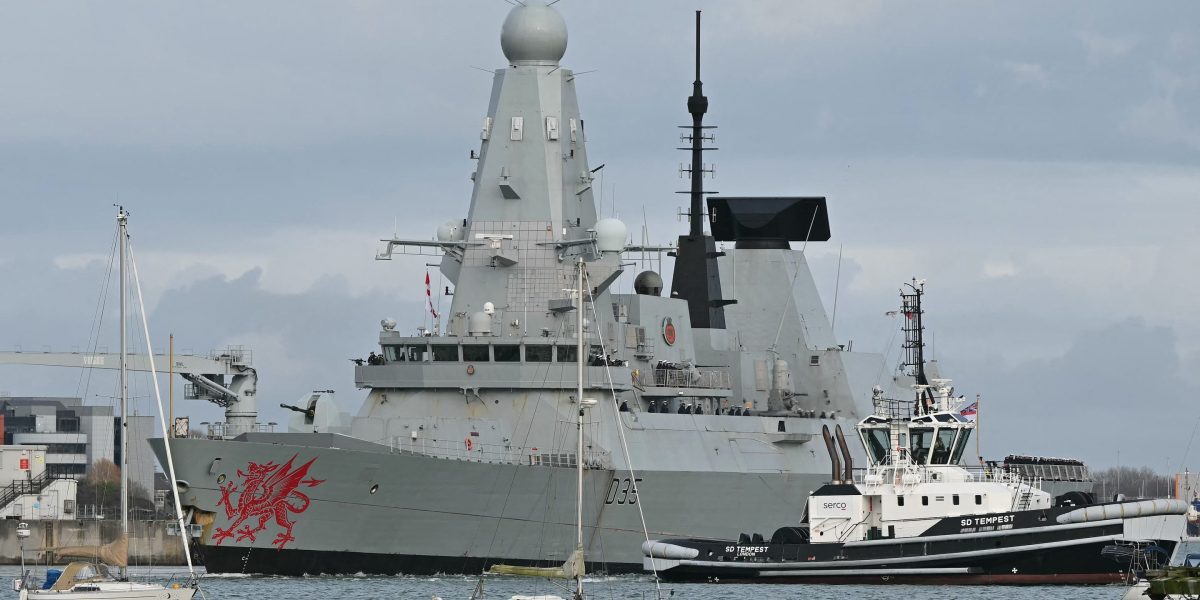
Trump announced that military facilities on the Persian Gulf island were “obliterated.” He indicated that he refrained from targeting oil infrastructure out of consideration but warned of severe action if Iran interfered with the free and safe passage of ships through the Strait of Hormuz. He expressed hope that countries including China, France, Japan, South Korea, and the United Kingdom would deploy warships alongside the United States.
Despite Iran’s military being “already destroyed 100%,” Trump noted Tehran’s continued ability to threaten ships with drones, mines, and short-range missiles, vowing that the U.S. would retaliate with significant bombing campaigns along Iran’s shoreline. Meanwhile, Iranian Foreign Minister Abbas Araghchi stated that the strait, through which approximately one-fifth of global oil supplies typically flow, was only closed to ships belonging to “enemies.”
Regional Conflict Escalates
The conflict in the Middle East, which began on February 28 with a U.S. and Israeli bombing of Iran, has resulted in approximately 3,750 fatalities across the region, according to government and non-governmental organization tolls. The U.S.-based Human Rights Activists News Agency reported over 3,000 deaths in Iran alone during the past two weeks. Concurrently, Lebanon’s government reported around 700 deaths from Israeli attacks, part of a parallel conflict against Iran-backed Hezbollah. The U.S. has lost 13 servicemembers in the broader conflict.
Facing a militarily superior U.S. and Israel, Iran has targeted neighboring states, shipping, and energy sites to create regional chaos and disrupt oil and gas markets, aiming to pressure Trump to cease hostilities. The U.S. president is facing domestic criticism due to soaring Gasoline Prices and accusations from political opponents that he underestimated Iran’s response.
Port Operations Suspended Amid Attacks
Operations at the significant oil port of Fujairah in the United Arab Emirates were suspended on Saturday morning following a drone attack and subsequent fire. Loading of crude and refined products at Fujairah, located near the Strait of Hormuz, was halted as a precautionary measure while damage assessments were conducted. Fujairah serves as a critical export hub, particularly for oil bypassing the Strait of Hormuz.
Iranian official Araghchi suggested that missiles striking Kharg Island originated from two locations within the UAE. In Dubai, authorities confirmed debris from an intercepted projectile impacted a building facade, though no fire or injuries were reported. The Dubai Media Office stated that accessibility and business operations continue, with some organizations implementing remote work policies, emphasizing the resilience of the financial ecosystem.
The UAE government reported detecting nine missiles and 33 drones targeting the country on Saturday, consistent with previous days’ figures. Jordan also reported intercepting numerous ballistic missiles and drones, with some projectiles not being stopped, resulting in nine injuries over the past week.
Oil Markets React to Hormuz Closure
Brent crude closed above $100 a barrel on Friday, reaching its highest level in nearly four years. The de facto closure of the Strait of Hormuz has forced Saudi Arabia, Iraq, the UAE, and Kuwait to curb crude production, while Qatar has halted liquefied natural gas operations, impacting one of the world’s top suppliers of the fuel. The disruption highlights the critical role of the Strait of Hormuz in global energy markets.
Despite the U.S. attack on Kharg Island’s military installations, two oil tankers were reportedly berthed there hours later, and Iranian state media indicated that exports were continuing normally. However, Iran has warned of retaliation against American-linked oil and energy facilities in the Middle East if its own petroleum infrastructure is targeted. The country’s Fars News Agency cited the central military command stating that all oil, economic, and energy facilities belonging to companies partly owned by or cooperating with the United States would face immediate destruction.
The U.S. military confirmed the destruction of missile and naval-mine storage infrastructure on Kharg Island. Analysts at JPMorgan Chase & Co. noted that Iran had ramped up exports from Kharg to near record levels before the attacks. They warned that a strike on Kharg’s oil sites would halt the majority of Iran’s crude exports, likely triggering severe retaliation in the Strait of Hormuz or against regional energy infrastructure.
Our Analysis
President Trump’s call for international naval support to reopen the Strait of Hormuz underscores the escalating geopolitical tensions and their direct impact on global energy security. The strategic importance of this waterway, coupled with Iran’s retaliatory threats, creates significant volatility for oil prices and international trade. The involvement of multiple nations in ensuring passage highlights the global stakes in maintaining open shipping lanes.
This content is for informational purposes only and does not constitute financial advice.
Fonte: Fortune