

The cost of crude oil is the largest single component of the price consumers pay at the pump, accounting for 51% of the final cost of a gallon of gasoline, according to the U.S. Energy Information Administration (EIA). Recent geopolitical events, including the conflict in Iran, have directly influenced these prices, leading to an average increase of approximately 60 cents per gallon since late February.
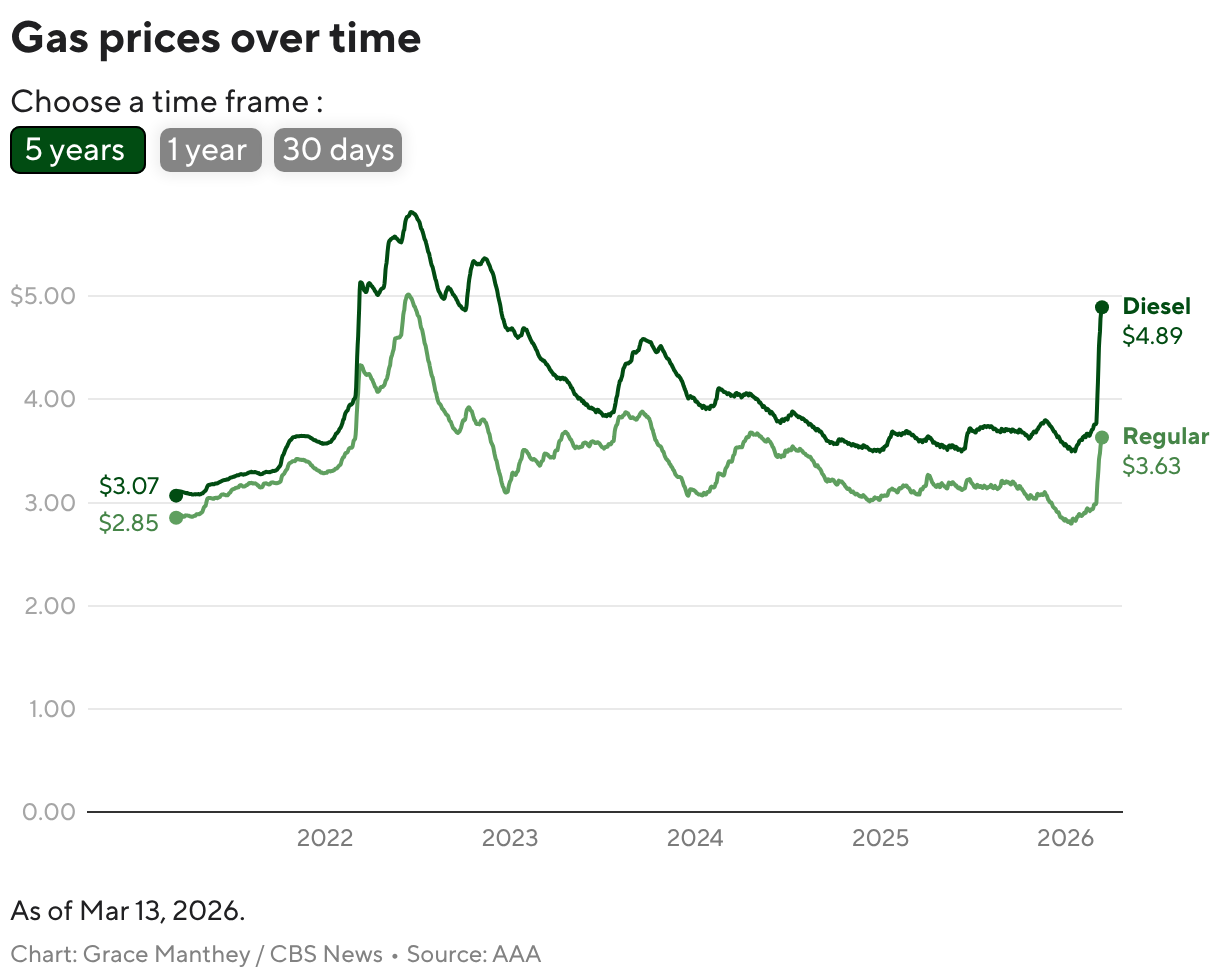

While the U.S. is the world’s largest producer of crude oil, domestic gasoline prices are more closely tied to the international benchmark, Brent crude, than the U.S. benchmark, West Texas Intermediate (WTI). This is because refiners on the U.S. Gulf Coast often pay Brent-linked prices. On a recent Friday, Brent crude hovered around $100 per barrel, a significant increase from $73 before the conflict began.
Understanding Gas Price Components
The journey from crude oil to your car’s tank involves several stages, each contributing to the final price. After extraction, crude oil is transported to refineries where it is processed into various petroleum products, including gasoline. This refining process accounts for about 20% of the total cost of a gallon of gas.
Following refining, the gasoline is distributed to local terminals and then transported via tanker trucks to individual gas stations. This marketing and distribution phase, which includes transportation costs and the retailers’ operating expenses, makes up approximately 11% of the gas price. Gas station owners typically earn an average of 30 to 35 cents per gallon, factoring in their overhead and desired profit margins.
When oil prices are volatile and surging, gas stations often experience narrower profit margins due to the increased cost of acquiring fuel. Conversely, when oil prices fall, their margins tend to widen.
Taxes and Seasonal Factors Influence Price
Taxes represent another significant portion of the gasoline price. The federal tax is a fixed 18.4 cents per gallon, primarily funding highway maintenance and infrastructure. State taxes, however, vary considerably, contributing to the price differences observed across states. The average state tax is around 34 cents per gallon, but this can range from as low as 9 cents in Alaska to as high as 70.9 cents in California, according to recent EIA analysis.
Seasonal changes also play a role in gasoline prices. From February to late March, states begin transitioning to a summer-blend gasoline. This blend is formulated to be more volatile and withstand warmer weather, making it more expensive to produce. Consequently, consumers typically pay an additional 15 cents per gallon during the summer months. Retailers are mandated to sell this summer fuel between June 1 and September 15. Additionally, increased demand for gasoline during the spring and summer driving seasons typically contributes to higher prices as the weather warms.
Fonte: CBS MoneyWatch