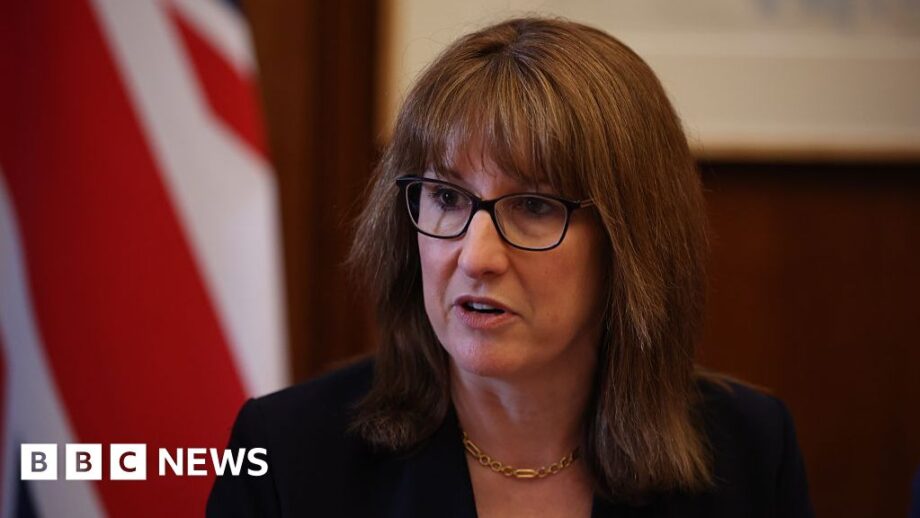
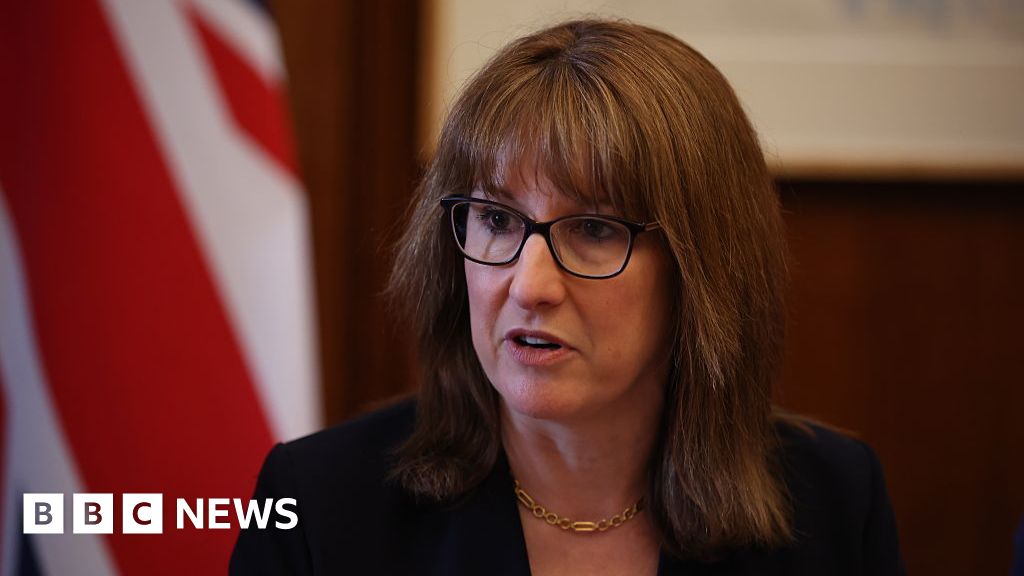
Chancellor Rachel Reeves announces a support package for households grappling with escalating heating oil expenses, a consequence of global geopolitical events impacting oil prices. Reeves stated in an interview with The Times that she has secured funding to assist those most affected by soaring energy bills, with the Treasury exploring various aid options.
Heating oil, a primary energy source for many rural areas not connected to the national gas grid, has seen significant price increases. Unlike natural gas and electricity, its cost is not regulated by Ofgem’s price cap, which is scheduled to decrease in April. The government is expected to reveal the details of this support package early next week.
What You Need to Know
- Households using heating oil face doubled bills and supply disruptions due to global conflicts.
- The government plans targeted support for vulnerable households not covered by the energy price cap.
- Potential increases in gas and electricity bills from July are being assessed, with more targeted options considered.
Impact on Households and Market Concerns
Approximately 1.7 million households in England and Wales rely on kerosene for heating and hot water. The current volatility means prices are subject to rapid fluctuations, unlike capped gas and electricity rates. In Northern Ireland, the reliance on heating oil is even higher, with 62.5% of homes using it.
Since the escalation of conflict in the Middle East, households dependent on heating oil have experienced a doubling of their bills, with some facing cancelled orders and outright unavailability of the fuel. This situation highlights the vulnerability of these households to global energy market instability.
Government Response and Future Energy Bills
Reeves emphasized that the government has worked with Members of Parliament (MPs) to devise a response for those outside the energy price cap’s protection. Regarding future gas and electricity bills, the Chancellor indicated that the government is analyzing various scenarios ahead of the July price cap adjustment, focusing on more targeted support measures.
While Ofgem announced a 7% reduction in household energy bills for April, prices remain significantly higher than pre-war levels. This has contributed to a substantial increase in the number of households falling into energy debt. The ongoing conflict in the Middle East poses a risk of dramatic hikes in gas and electricity bills from July, driven by rising wholesale gas prices.
Broader Economic Context and Retailer Concerns
Reeves’s statements follow meetings between ministers and petrol retailers concerning the surge in oil costs, which have pushed prices to an 18-month high. The Petrol Retailers Association (PRA) has contested suggestions of “price gouging,” briefly threatening to withdraw from discussions.
Energy Secretary Ed Miliband expressed significant concern over market dynamics, noting that the competition watchdog had previously raised issues. He and Reeves have been consulting with the Competition and Markets Authority (CMA) regarding heating oil and motor fuels.
Despite these concerns, the Prime Minister’s cost of living tsar, Lord Walker, assured the public that fuel supplies in the UK are stable and there is no need for panic. The government is also reviewing the planned September increase in frozen fuel duty.
Conservative leader Kemi Badenoch has urged Chancellor Reeves to cancel the fuel duty increase and advocated for increased domestic oil production in the North Sea.
Our Analysis
The government’s planned support for heating oil users addresses a critical vulnerability in the UK’s energy landscape, particularly for rural communities. While the upcoming reduction in the Ofgem price cap offers some relief for gas and electricity consumers, the underlying volatility in global oil markets presents a persistent challenge. The focus on targeted support, rather than broad subsidies, reflects a strategy to manage public finances while addressing the most acute cost-of-living pressures.
Fonte: BBC News